 ×
×
Why Loose Screws Are More Than Just a Minor Annoyance
If you have a screen door with an aluminum frame, you probably use it all the time. It is one of those things in your home that gets opened and closed constantly, especially during the warmer months when you want fresh air flowing through. With all that use, it is completely normal for screws to work themselves loose over time. Vibration from closing the door, changes in temperature, and just the normal wear and tear of daily use can all cause screws to loosen. A lot of people notice the door starts to feel a little different. Maybe it does not close as smoothly as it used to. Maybe it makes a little rattle when the wind blows. Maybe the handle feels a bit wobbly. These small signs often point to loose screws.
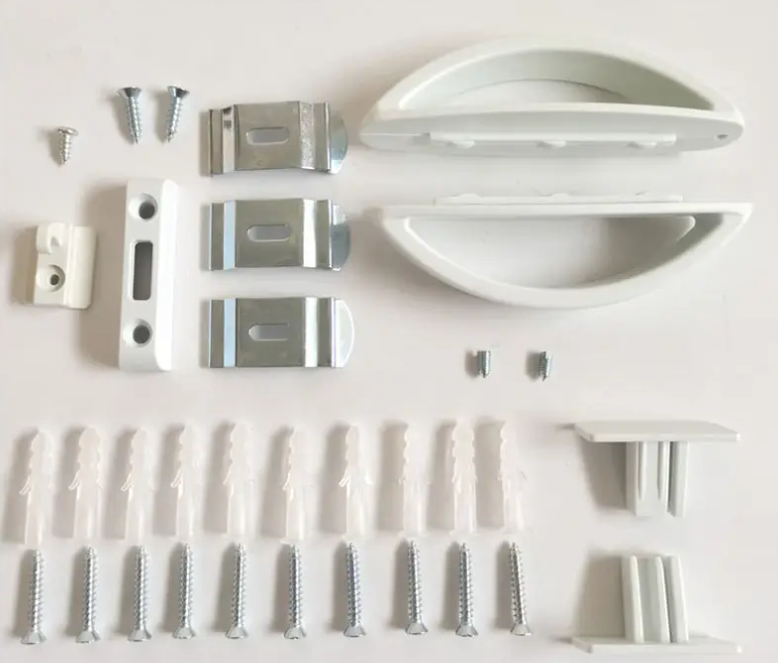
The thing is, a loose screw might seem like a tiny problem, but if you ignore it, it can lead to bigger issues. When screws are loose, the parts of the door that should be held firmly together can shift. The frame can start to go out of alignment. The mesh might not stay as tight. The door might not seal properly against the frame, which means bugs can find their way in. In the case of a sliding screen door, loose screws in the track or the rollers can cause the door to stick or come off the track entirely. None of these are huge problems on their own, but they are all things that can be avoided with a few minutes of simple maintenance.
Taking the time to check and tighten the screws on your screen door aluminum frame is one of those small tasks that makes a real difference. It keeps the door operating smoothly, helps it last longer, and prevents the frustration of dealing with a door that suddenly stops working right. It is a simple habit that takes just a few minutes every now and then, but it pays off in the long run.
Where to Look for Loose Screws on Your Screen Door
Before you start tightening things, it helps to know where the screws are and which ones are most likely to come loose. A screen door has several different types of screws, and they all serve different purposes. Taking a few minutes to look at each area will help you catch any loose screws before they become a problem.
Start with the hinges if you have a swinging screen door. Hinges usually have several screws that attach the hinge to the door frame and several more that attach it to the door itself. These screws take a lot of stress because they carry the weight of the door every time it opens and closes. Over time, they can loosen. Give each hinge screw a gentle check. If any of them turn easily, they need to be tightened.
Next, look at the handle and the latch. These are the parts you touch every time you use the door. The screws here can loosen from the constant motion of turning the handle and pulling the door shut. A loose handle can feel wobbly, and a loose latch might not catch properly when you close the door. Both are easy fixes once you know where the screws are.
If you have a sliding screen door, the track and the rollers are the places to check. Sliding doors often have screws that hold the track in place at the top and bottom. There are also screws that adjust the height of the rollers. These can work loose over time, and when they do, the door can start to drag or feel uneven. Take a look at the ends of the track and the roller housings.
Finally, check any screws that hold the mesh in place. Some screen doors have spline that holds the mesh into the frame, but others use screws to secure trim pieces or to attach the mesh frame to the main door frame. These screws might not get as much stress as the hinges or handles, but they can still loosen over time. A quick check of all the visible screws on your screen door aluminum frame only takes a minute or two, and it is time well spent.
How to Tighten Them the Right Way
Once you have found a screw that needs tightening, the next step is to do it properly. This sounds simple, and it is, but there are a few things to keep in mind so you do not accidentally cause any damage. The goal is to make the screw snug without overdoing it.
First, make sure you have the right screwdriver. Most screen door screws use a standard Phillips head, but some might use a flat head or a hex head. Using the wrong size screwdriver can strip the head of the screw, which makes it much harder to tighten or remove later. Take a moment to match your screwdriver to the screw before you start turning.
When you tighten the screw, turn it gently until you feel resistance. You want it to be firm, but you do not need to crank it down with all your strength. Aluminum is a soft metal, and the threads in the frame can strip if you overtighten. A good rule of thumb is to tighten until the screw feels secure, then give it just a tiny extra turn. If the screw starts to spin without getting tighter, that is a sign that the threads might be stripped, and you may need a different solution.
For screws that go into the aluminum frame itself, be especially careful. Aluminum does not hold threads as well as steel or wood, so it is easy to overtighten and strip the hole. If you find a screw that is loose because the hole has stripped, you have a couple of options. Sometimes a slightly longer screw will catch fresh threads. In other cases, you can use a toothpick or a small piece of wood to fill the hole and give the screw something to grip. For a more permanent fix, a thread repair product designed for metal can work well.
For hinges and other parts that carry weight, it is a good idea to check all the screws even if only one feels loose. Often, when one screw loosens, it puts more stress on the others, and they may be loose too. Taking the time to tighten all of them ensures the whole assembly stays solid.
Making Regular Checks Part of Your Routine
The best way to avoid problems with loose screws is to catch them early. That means making screw checks a regular part of your home maintenance routine. You do not need to do it every week, but a quick check every few months can save you from bigger headaches down the road.
One easy way to remember is to tie it to something else you already do. For example, when you do your seasonal cleaning or when you change the batteries in your smoke detectors, take a few minutes to walk around and check the screws on your screen doors. Another good time is at the beginning and end of the season when you are using the door the most. Spring and fall are perfect times to give everything a quick once over.
When you check the screws, take a moment to look at the whole door. Does it open and close smoothly? Does the latch catch properly? Is the mesh still tight and free of tears? Catching these small things early keeps them from becoming big repairs later. A door that works well is a door you do not have to think about. You just use it, and it does its job.
If you have a sliding screen door, pay extra attention to the screws that adjust the rollers. These can be a little tricky because they affect how the door glides. If the door starts to feel harder to slide, it might be that the roller screws have loosened and the door has dropped slightly. A quick adjustment can often fix it right up.
Taking care of your screen door aluminum frame does not have to be complicated. A few minutes with a screwdriver every now and then is really all it takes to keep everything secure and working smoothly. It is one of those small maintenance tasks that pays off every time you use the door. You get to enjoy the fresh air without any rattles, sticking, or worries about bugs sneaking in. That is a pretty good return on a few minutes of your time.

 EN
EN