 ×
×
You won't need special equipment to clean your window screens. Just some basic household items will work fine. First, you will need a vacuum cleaner with a soft brush attachment. This will do well to remove some loose dust, pollen, and cobwebs from the mesh surface. Second, you will need some good quality ultra-soft, non-abrasive microfiber cloths. This type of cloth will work well to trap dirt, instead of pushing it around, and won't be leaving lint or scratches. A simple spray bottle is good for applying your cleaning solution. Finally, you will need a clean, soft-bristled brush like a paint bush or a soft bristled dish brush. This will help remove grime without damaging the fiberglass mesh or polyester or PET mesh.
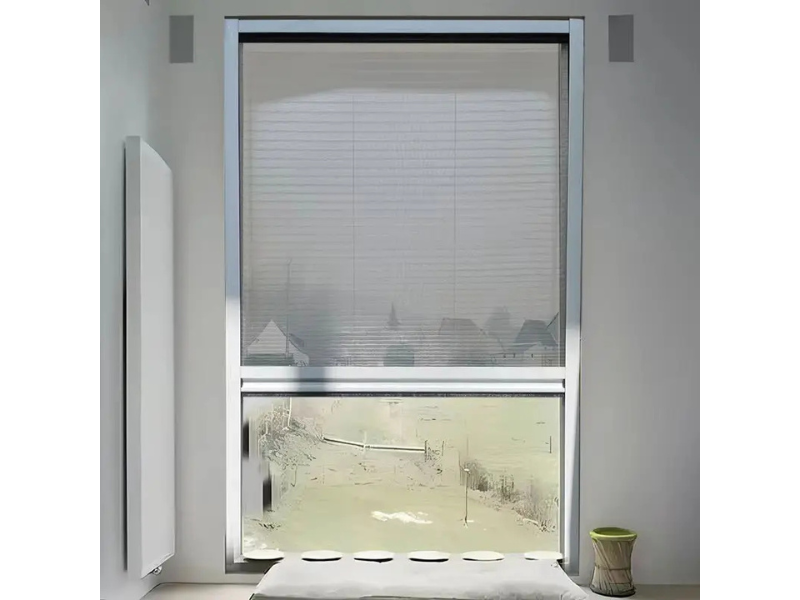
Chemicals are terrible to use when cleaning any type of screen for any reason. Most cleaning solutions are overly harsh, but the most effective screen cleaning solution you can use is made from household items. For most cleaning situations, equal parts white vinegar and distilled water spritzed and wiped works wonders. The mixture easily gets rid of grime, and because you used distilled water, you won’t leave any terrible water spots. If the screen is especially greasy, simply mix up a few drops of mild dish soap with warm water in a spray bottle to make an even more effective cleaning solution. Commercially made products are rarely necessary when cleaning screen materials. Avoid using any sort of scrubber, ammonia, or alcohol-based solution because they can cause damage to the mesh screen.
If you completed the first step correctly, you have absolutely nothing to do for the wet cleaning. You will just have to do it for the first time, as it includes wet cleaning. But for the sake of education, let’s say we have to do it. After completing the first cleaning in the previous step, it is time to start the wet cleaning of the mesh screen. You have to do it on the side of the screen that is facing you. You should only put the cleaning solution in the spray and don't apply it just yet, we don't want to flood the screen. Now, while holding your cleaning cloth in your hand, rub the mesh in circular motions. Don't go to a dry area to remove the solution and dirt that you picked up, as it will be mixed with dirt and will make the area of the screen you just cleaned dirtier. Use a different area of the cleaning cloth to wipe the solution off and make sure it is completely visible.
Let’s do the same on the other side of the screen and on the other side as well. When you’re done, and for the final touch, you have the option to use a clean microfiber cloth that is completely damp to wipe the screen. Make sure it’s clean before using it to wipe the screen completely, and wipe both sides in the end. After that, dry the trap screen cloth on the screen. When you’re done, exit with some cleaning solution. Take the screen out and wipe it with the cleaned cloth and you’re done.
Sometimes, you may notice the remainders of messes from the last cleaning that do not wash off, such as sticky residue or stains that are stuck there for a longer period of time. There is no need to start scrubbing aggressively, though. For sticky spots, try using a paste of a baking soda and a little water that you should let sit for a couple minutes to let the paste do its trick. You should then remove it with a damp cloth. If dirt from the last cleaning is still stuck to the screen is what you're dealing with here, then simply increase the soap concentration from what you have in the spray bottle to remove it. You need to be patient for this as it may take time, but, along with a soft tool, this should be done in gentle, circular motions. Extra time for the solution to sit is also very useful when you want to take your time and use screen-safe chemicals to do it.
Cleaning screens frequently with a good routine makes the process easier and faster. A good habit is to frequently lightly dust the screens with a clean microfiber cloth or vacuum brush. This light dusting will prevent a ton of dust from accumulating and will save you a hassle later down the road. When cleaning screens, it is best to clean them on cloudy days or when the screen is shaded. This is because sunlight is the main cause of cleaning solutions drying too quickly, which leads to streaking or residue on screens. Quick and easy spot cleaning screen cleaning methods will give you good airflow and a crystal clear view, especially during and after pollen-heavy seasons or dusty weather.
It is also important to know what to avoid when cleaning. One common mistake is using paper towel and rough knit cloths while cleaning. These products can scratch the mesh, and they can leave behind small fibers that will make your screens look worse. Also, avoid using too much force when woorking on a stain. Be aware that the mesh screen is durable, but it can also be damaged. The best and safest way to clean is to use a small tool that provides very light pressure on the screen. Do not use any extreme cleaning chemicals. Avoid cleaning solutions that contain bleach and do not use any powdered cleaner that can be abrasive. These chemicals will break the fiberglass, polyester, or PET screen and make it are brittle and discolored over time. Lastly, to avoid moisture marks, and to avoid the development of mildew, always use a clean, dry cloth to make sure that the screen is thoroughly dried after it has been washed.
It is indeed true that you can clean your window screen mesh while it's still up and it's easy to do. A mild DIY cleaning solution, gentle tools, and patience, make it easy to maintain your fiberglass, polyester, and PET screens. You'll enjoy an unobstructed view of the outdoors and your indoor air quality will be improved. With regular maintenance and indoor improvement, you can take these simple steps towards enjoying a bright, clean home with less effort.

 EN
EN