 ×
×
Retractable screen windows are meant to provide seamless access to cool breezes and unobstructed views. However, windows and screen doors often get stuck, jammed, or glide poorly. When stuck, it screams frustration. Opening and closing them should cause smooth, satisfying noises, but this is often not the case. Proper use, simple maintenance, and a well made product are all factors that contribute to solving the problem. Learning the tips and tricks on operating screen windows will help new owners enjoy their benefits for years to come.
Operating screen windows is partially about not using too much force. Understanding the product, performing maintenance, and identifying issues that are beyond your control are all factors that contribute to smooth operating window screens. Retractable screen windows that are made with quality components, smart engineering, and durable materials provide screens that help operate windows seamlessly. This blog will provide the screens moving tips and will explain how to identify systems that will save you the frustration with the enduring systems.
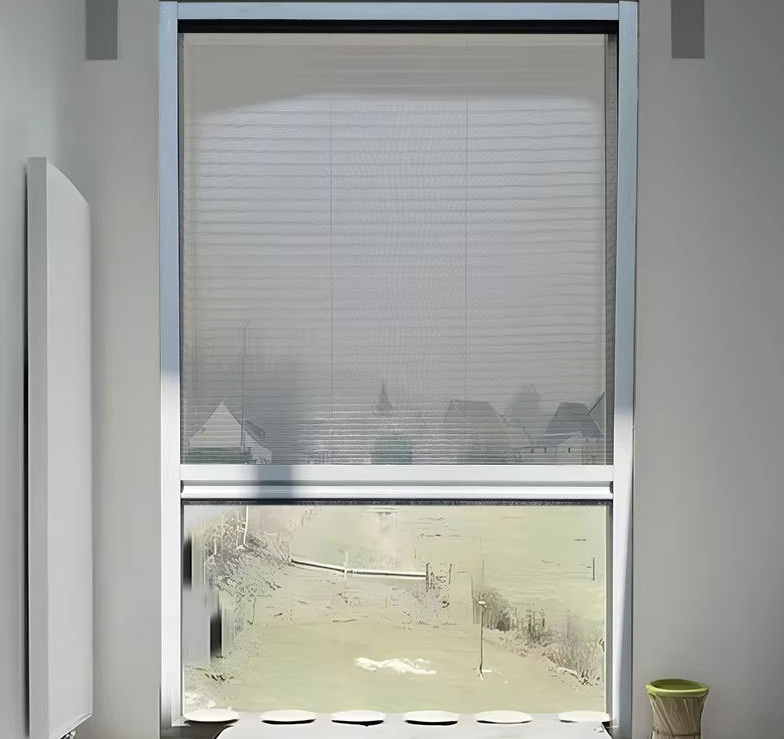
The first rule of screen operation is to pull it out directly using the handle or pull bar. Do not pull the screen at an angle, as this can cause the mesh to rub against the side guides and track, causing friction and creating the possibility of premature screen failure. It is not necessary to pull the screen out fast. A gentle and steady pull is all that is needed. In order to reduce stress on the internal springs, guide the screen slowly so that it does not snap back from an extended position to a fully retracted position.
With screens that have a catch system or a latch that is meant to hold the screen open, make sure that the latch is fully engaged. If it is not, do not force it, as this can cause damage. Usually, a small adjustment to the screen position solves the problem. If your screen has a tension adjustment, be sure to follow the manufacturer’s guide, as it should be modified depending on individual circumstance. The entire goal is to have the screen operate smoothly without strain, not to give the operator a workout.Basic Steps of Maintenance for Preserving Smoothness
Maintenance doesn't take an extensive amount of time, and it does not have to be difficult in order to avoid problems, Dust and debris are the largest concerns, and the largest enemy to the system are the covered tracks.
Consider making vacuuming the top and bottom tracks of the screen a monthly or bi-monthly task, and use a brush vacuum attachment. More detailed cleaning can be done with a cotton swab or soft brush with a bit of soapy water and then a dry cloth. Tracks can be left dry. Don't use any sorts of lubricants that are greasy or potentially oily as they will attract dirt and maintain a residue. Some new systems have self cleaning tracks and brushes. These systems are designed to push dirt out as the screen moves. These systems will need Maintenance less often.
Next, pay attention to the mesh screen itself. It is advised to gently wipe the screen with a dry cloth to remove any dust. If it needs a wash, use lukewarm water with a mild detergent, and wipe it with a soft cloth or a soft sponge. Then, rinse it thoroughly. Do not use any sort of abrasive cleansers or high-pressure water, as this can damage the mesh coating or fabric. Before retracting the screen, let the mesh dry completely while it is extended.
Sometimes operational difficulty is not a maintenance issue. It is a defect of the design and build quality of the product. This is where the choice of high-quality retractable screen windows from reputable manufacturers becomes a necessity. Key components directly impacted smoothness and longevity.
First, evaluate the track system. It must be a robust high-strength aluminum alloy. If the track is too flimsy, it can bend or warp over time, creating bumps and misalignment, and cause the screen to stick. The rollers or gliders are supposed to move along the track, and these must be smooth-running nylon or polymer. Cheap plastic is a no-go, as it can crack along with the system.
Second, the quality of the mesh matters. A mesh that is fiberglass based, coated with a strong and durable PVC, should retract evenly and resist sagging. Look for a mesh with high durability ratings. Industry standards refer to this as “Grade 3” for balance strength and visibility. The retractable cassette spring must also be calibrated. A weak spring will not retract the screen all the way, while a strong spring makes the screen hard to pull out. Professional manufacturers will balance this tension out and cover the mechanism with a dust cover.
Finally, the most important element is the proper installation. Even the best screen will operate poorly if it’s not leveled and squared properly in the opening. That’s why detailed instruction should be followed when using professional install. A well-built screen will not bend or rock in it’s frame when being operated. It should feel very solid.
Screen not functioning properly can be very annoying. Given that you have already noticed some signs of screen malfunction, check the tracks. If it’s hard to pull out, that might indicate the tracks have hiudden some obstructions. Then, see if the screen re aligned properly in the guides. If it retracts slowly or not all the way, it might either be that the internal spring lost some tension, or that the mesh might be catching on something inside the cassette. If the screen drags and the path is not smooth, the house structure settling might have made the frame misaligned, or there might have been some errors during the initial installation.
The final, and most serious of issues, that you might encounter are issues that surround the mesh of the screen. Wrinkles, and tears, or a mesh that comes off the tracks are all signs that are difficult to fix on your own. It's best to contact the manufacturer to do a replacement of the screen or possibly to repair it. It's tempting to push the problematic screen shut, but you could do more damage. A warranty from the manufacturer is likely the best option you have for damaged screens, or to replace the screen altogether, which in many cases can be the most cost-effective option for you. Trustworthy companies will often be those that offer a 10-year warranty on screen replacement, which demonstrates the high quality and dependable manufacture of those screens, eliminating your worry.
The most obvious joy that a retractable screen window brings, is the ability to easily provide screen protection, and instant airflow, while keeping pesky bugs at bay. Operating smoothly means that you and the manufacturer have to fulfill your end of the partnership. Your part of the partnership is a commitment to gentle operation and basic cleaning, while the manufacturer pledges to outstanding design, quality put to good use, and reliable assembly.
Now that you know the basic steps to maintain the screen, and understand what to look for in a quality product - reinforced tracks, Grade 3 mesh, self-cleaning tracks, and thoughtful details, your screen will provide a return on the investment for countless seasons. Quality can be appreciated more, when it is maintained properly; enjoy the flawless, and smooth performance that a retractable screen adds to your home.

 EN
EN