 ×
×
The last time you heard a mosquito buzz in your ear or found a line of ants marching across your floor was a prime example of how pests are always ready to invade your home. While having a screen door acts as a physical barrier to entry, adding a strong insect resistant spray provides an extra layer of defense and keeps the bugs out for good. These sprays work by leaving a protective coating on the surfaces of your screen door that contains active ingredients that deter or kill pests on contact. We all know how much flies, mosquitos, and ants love to invade our home. Insect resistant sprays work great to keep these pests outside of your home, and they are a great and inexpensive way to keep your screens tough during the peak insect infestation times. Make sure that your home stays a peaceful and bug-free indoor space all summer long.
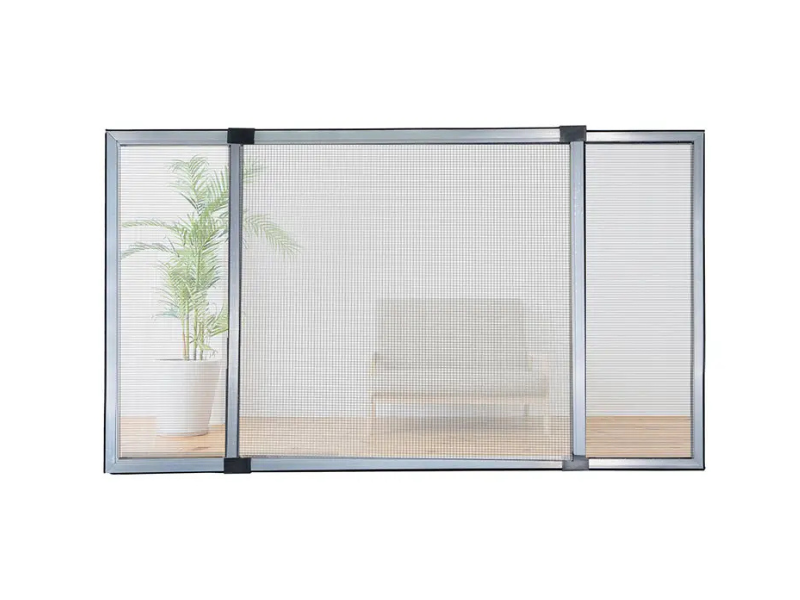
Instagram influencers might start a brand deal starring a spray not suitable for your screen; that's why not all window sprays are created equal. For window and door screen solutions, it’s essential to pick a screen formulated with a synthetic pyrethroid like cyfluthrin or permethrin. These ingredients are modified versions of the natural insecticides found in chrysanthemums. They are safe, household insect repellents. Always ensure your screen material matches the spray; some spray brands do not match fiberglass, polyester, or PET. A reputable company’s spray should be engineered to adhere to the screen fibers and not just manufactured for their nontoxic odor. Certain aluminum window and door screen sprays should include waterproofing components like silicone, so the screen remains cleaner and dirt isn’t instantaneously moved to the other side. Approved by health and safety organizations, an insect screen treatment is ideal for the greater good.
Doing a bit of prep work lets you spray insecticide more safely and effectively. We'll go over the prep steps here. First, clean the screen door. To disinfect the screen, wipe the mesh and plastic edges with soap solution and a damp cloth to cleanse it, removing any dirt. Rinse with water and allow it to dry. Do this only if the screen is very dirty, as removing it first consumes time. Avoid spraying if the screen is dirty or wet since this can seal dirt under the spray and prevent the insecticide from sticking. Now, check the weather. Always spray insecticide on a dry, windless day to avoid drift and enable the spray to dry. Rain can remove the spray before it dries. Move away any patio furniture, potted plants, and toys to avoid accidentally spraying them. Always wear gloves, protective eyewear, and a face mask, as well as any other suitable personal protective equipment, when doing this. Have your spray can and a timer ready.
It should be easy to apply the spray if you follow the next instructions. First, shake the can like the manufacturer recommends. Stand about 20 centimeters away from your screen. This distance should give you even and wide distribution without any area becoming oversaturated. Use a sweeping motion and spray the entire screen. Make sure to not skip any areas including the edges and corners where sneaky pests can make their way through. Treat an area the size of a normal door panel and aim to spray for about 7 seconds to make sure you don't under or overspray. It is best to spray from the outside of the door since this is the side the bugs will come into contact with. All of the windows and the door should be closed during this process to make sure the spray doesn't go indoors. Before touching the screen or opening the door, you should let the treated screen dry for a few hours.
Don't forget that your and your family’s including pets’ safety is priority number one!!! Safety is key for yourself and your family which includes pets is imperative. Before starting this process, read the entire label for the product and heed all instructions and warnings. This product is designed for outdoor use and should not be used indoors. Ensure children and pets are inside and away from the area being sprayed. It is also wise to take birds and small pets like hamsters out of the room behind the screen door while Spraying. When using the spray, do not smoke, eat, or drink. Even if you wore gloves, you should wash your hands after the task is completed. Once the screen is dry, the remaining powder is on the screen should be okay to touch and is normal, so please try not to touch the screen for a while, a few hours first. The treated screen should last for weeks to months longer, and if you ever need to clean the screen again, please take into consideration that screen washer the protected layer will be removed, and a re-spray of the product will be necessary.
Balancing the dimension of coverage for pest control tactics such as the irritant spray for the screen door is closely attuned to the complexity of measures applied pest control is best performed in a tiered system closure on the door is best accompanied by a barrier spray or a powder insecticide on the home's foundation. Window frames and other possible entry sites of crawling insects should be eliminated before they can reach the door. For example, the powder spray can form a dry barrier that pests tend to avoid crossing. Also, removing any standing water on the property, such as in plant saucers or gutters, is important for potential mosquito breeding sites. Keeping the vegetation and leaf litter, which could hide insects, trimmed back from the house is also important. Envision the screen spray as a second line of defense on an entry point alongside other measures that act in tandem to improve the barrier and level of protection against insect infestations for the entire property.
How long an insect-resistant barrier lasts mainly depends on what product was applied and what the weather is like in your area. Most sprays last protections lasts about four months. However, direct sunlight, wind, and rain may gradually degrade the product. Some sprays even have waterproof features to better combat the rain. Setting a timer on your phone after application is a good habit to get into. You may start noticing more insects in your home, or they may settle and rest on the screen. If you see this, it is probably time to reapply the product. If the screen gets washed with water or has a full rain, it is a good time to retreat the screen to restore the barrier. Having a seasonal schedule worked for many in applying at the start of the spring and again at the middle of the summer for paired consistent protection throughout the warm months when insects are more active, and protection is needed the most.
Adding an insect resistant spray to your screen door is an upgrade to your home’s defense system against bugs. It strengthens the screen door against soft or clear bodied invaders. Choosing the right product and applying it safely, correctly, and periodically, as part of an overall insect management plan, will improve your comfort and help keep the good bugs and natural light while enjoy the fresh air. So, take that extra step and turn your screen door from simple filter to active defender.

 EN
EN