 ×
×
For a more productive experience, be sure to start with the right tools. Luckily, nobody needs anything fancy; a vacuum with a soft dust attachment will be gentle enough to avoid disturbing the door's screen, while still removing dust and cobwebs. A soft-bristled detailing brush will be necessary to scrub the corners and edges safely; however, steer clear of bristle brushes; they will most likely be too hard and damage the screen. Microfiber cloths make cleaning a breeze as they trap dirt and grime and won't scratch your screen. To make your dust trapping and grime-removing cloth even more effective, mildly saturate it with a cleaning solution of a few drops of dish soap and water. The hose or bucket of clean water will be useful for rinsing, too. If you're looking to make your own tool cleaning solution, combine equal parts water with white vinegar.
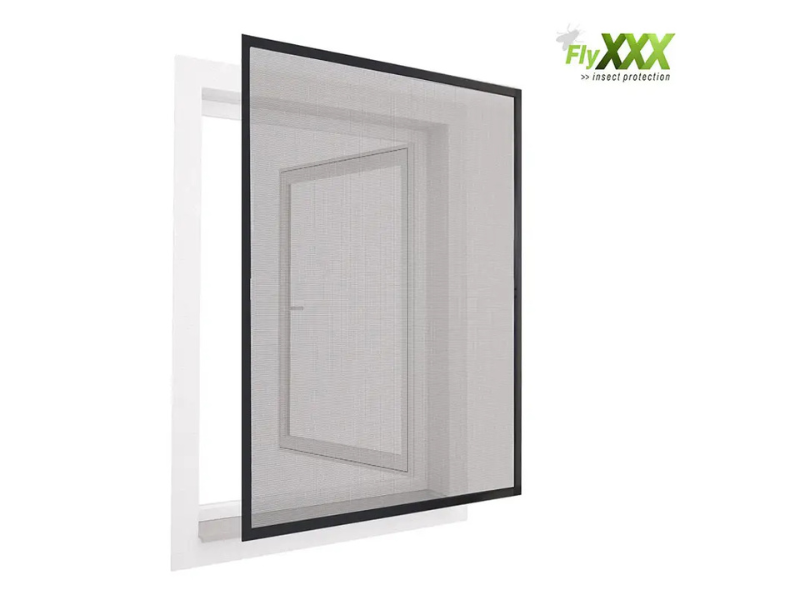
A little bit of preparation makes cleaning much more easier on you and protects the screen door. For removing screen doors, take them carefully off and set them down on a flat surface. This gives you access to both sides of the screen. For screens that cannot be removed, place a towel down on the floor or ground just under the door. This and the towel will capture runaway dripping water or dust and keep the floor or ground clean. You need to always start cleaning with a dry step before any liquid. Once everything has been removed you can thoroughly clean the screens with a soft cloth, an attachment meant for brush cleaning, or a vacuum. This step keeps you from a making a very messy situation that you will have to clean up later. When you do this outside, try to do it when it's cloudy or in the shade. Sun directly shining on what you are cleaning can dry the solution much too quickly and then you will have a further mess to clean up.
Having a solid plan will help you get a good clean while avoiding damage. First, dry clean: brush vacuuming or a soft brush gets rid of dry dust and rubbish on both sides of the screen \, twice. This step is very important because it saves you from a muddy mess . Next is wet cleaning. Dip the soft brush or microfibre cloth into your soapy water or vinegar solution and make sure it is damp, not dripping. With a circular motion, scrub the screen and pay attention to the corners . You can also spray the solution on the cloth, not the screen, and then wipe the screen. Last step is rinsing. Using a garden hose or a bucket of clean water, gently wash off all the soap. Let the screens air dry r before reinstalling so they don’t get new dust on a wet surface.
Sticky spots and build-up grime can occur over time and can be difficult to remove with regular soap and water. Avoid scrubbing too hard with a stiff-bristle and take the extra time to work it/remove it. A simple paste should do the trick and can be made with a little baking soda and water and be applied to the affected area. Give it a minute to work and pull away grime stuck to the surface, and wash it away with a soft cloth (that you have dampened) before rinsing the area off. You can remove grease stains easier with some mild dish soap and warm water, too, since it helps break down some of the grease. A gentle touch with the right scrubbing tool is the name of the game. You don't want to over-scrub, as this can damage the mesh fibers of the surface that have a protective coating (fiberglass, polyester, and PET) screens. Sometimes stubborn stains require a little extra attention, but scrubbing too hard isn't the answer.
When cleaning your mesh, it is always a good practice to consider the type of mesh first. Some, like Fiberglass mesh, is very durable and can withstand some mild abrasive washing with soap and water, but polyester and PET mesh rinse soap out thoroughly to keep their mesh from looking worn, and to keep their mesh from looking worn. Some newer designed screens like rolling, and some retractable frames specialize in lightweight materials that don't wet-clean, so for those screens. For those screens, it's recommended to use soft brushes or vacuum cleaners, and sticky rollers to dry-clean to keep from using water. It's important to treat pull and tearing with care on all mesh types to keep their mesh looking their best from with wearing out.
Cleaning screen doors requires maintenance. To help screen doors stay clean longer and look brand new, take the screen door and dust the screen. You can use microfiber cloths, vacuum cleaner attachments, anything to dust the screen. Dust and pollen will never build over time. Be careful not to let the screen pick up dust and mesh construction debris put out from the door. Small construction repair work to the screen mesh, frame, spline, and then closing up the screen mesh will help construction repair work from dust getting trapped. You won't need to repair or replace vents that bring in fresh air. You will need to repair and replace vent screen doors that bring in fresh air because mesh vents block of air. Keeping vents doors clean is important in ensuring that you can use the doors or vents as needed.
Taking the right steps is really important when cleaning your screen door. You should not use strong chemicals or cleaners that have granules in them. This is one of the most common mistakes made by both beginner and seasoned screen door cleaners. This is because these types of products will damage your screen door, making it die quicker in the long run. It is also common to use too much pressure when scrubbing. This is also damage the screen door by making it stretch too much, and more damage is possible by warping or even tearing the screen door at the mesh layer. Screen doors that have their meshes made of fiberglass, polyester, or some other type of mesh screen will also suffer further damage by using steel wool or hard bristle brushes, and cleaning debris of the screen door fast and carelessly is not good either if you plan to use strong cleaning products that are contained in a spray bottle. Cleaning solutions should instead be put on a cloth or a brush first, with care being taken in that your cleaning cloth has some of that cleaning liquid applied first and in lower pressure. Without Rinsing off the soap, the screen door being left alone to dry is also one of the most common mistakes. This soap will become attract not only more foam, but more dirt from the atmosphere.
It looks like this will be the last screen door cleaning article that I will have to write. Another screen door cleaning task that adds value that most people can take on. Using some soft tools, cleaning correctly, and a careful methodical ethos will help keep the screen door cleaning task looking top-notch. Consistent attention will be help keep cleaning visible and will help the the screen door last longer. Add these screen door cleaning tips to make your doorway cleaning tasks pleasant all the time.

 EN
EN