 ×
×
Preparing yourself with the proper tools will allow you to complete the work in a swift manner. Things you will need are a vacuum with a brush attachment to remove the dust and spiderwebs covering the screens. The dust from the corners and edges can be removed with a soft brush. A small paint brush works well but you can also grab a detailing brush meant for cars. The most important tool you will need for cleaning screens is a microfiber cloth. These things will not only capture dust and dirt but also will not create scratches or lint. The best type of cleaning solution to use is a combination of soap and warm water. Make sure the cleaning solution you use is not aggressive or use too many cleaning chemicals as this could damage the screen. For the final step to cleaning screens you will need water. A garden style hose works or you can just use a container of clean water.
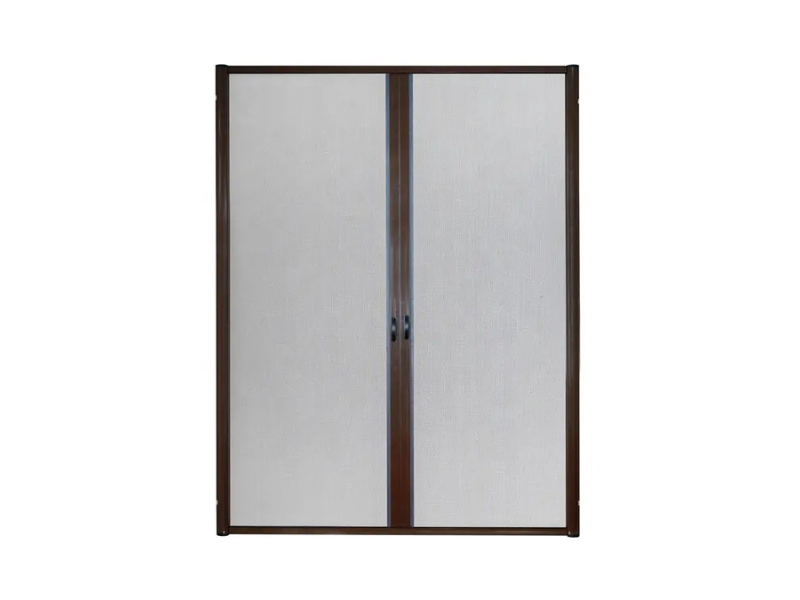
Cleaning screens isn’t just about the technique; the products used also matter. Cleaning products that use harsh chemicals like ammonia can wear down the coating on fiberglass, polyester, and PET screens and weaken the fibers over time. Your safest and most effective option is a mild dish soap that is mixed with lukewarm water. If you would prefer a natural solution, use equal parts of white vinegar and distilled water. This vinegar solution can cut through grime, and distilled water helps avoid hard water spots on the screen after rinsing. Cleaning products should be sprayed on a cloth or brush, not sprayed directly onto the screen. This helps avoid excess liquid getting trapped in the frame or in the screen mesh. Excess liquid can also push dirt deeper into the mesh of the screen.
This guide will go over cleaning oven screens professionally and safely, leaving no stains. Remember to stay dry first. To start, use a shop vacuum to suck any loose dirt out. Remember, do not use a bristled tip, because this can cause unwanted scratches on the screens. To do this, start one side, suck up all loose dirt, and then do the other side. After this, it’s time to start moist cleaning, finally. To do this, if the screens can be removed, please take them out and leave them on a dry spot. Take a small, soft bristle brush and dip it on some warm, not hot, soapy water. Make sure it’s only damp, and not soaking, or it will get too moist. Next, wash the screens in circle motions, making sure to wash the corners very well. If after doing this it looks rinsed and is not too soapy, you can skip the next part, which is bleach cleaning. To do this, you can use the same water to rinse off any dirt that could be left over. Make sure to not let any to get on the dirt, because it will become dirt that is very permanent. Once you rinse off any left over soap and dirt, do not rub your towels on it, for it will leave more unwanted soap on it. Take them out, and let them dry a little. Do not put them in dirt because it will dry in a hot environment and a humid environment, which will leave more dust to build. Instead, leave them on a warm nearby surface so the air will dry them and it will not cause dust to build.
Having to deep clean something consistently takes up time and will drive anyone crazy. If you use a microfiber cloth to wipe the dust off as well as any pollen build up, you can avoid that deep cleaning headache. Your screens should be cleaned every couple of weeks, depending on the amount of pollen and dust build up. Oh, and a tip for when you're cleaning your screens, try to do it on a cloudy day, because so the cleaning solution you use doesn't dry too fast and create streaks and water spots. For stains that won't come off easily, it's best to let a cleaning solution do the work rather than scrubbing. Making a paste out of baking soda and water to let it sit on the stain and then a damp cloth to wipe it away works. Screens can also have minor defects that can be just a small tear, so it's best to try and notice those little things to prevent bigger problems.
Cleaning screens is an important part of your home maintenance routine. One reason it is important is that it improves indoor air quality. Clean screens block less dust and pollen as air is ventilated freely. In addition to indoor air quality, cleaning screens improves the quality of your screens. Grime that is embedded in the screens is even more difficult to remove, and it wears out the screens. Regular cleaning makes screens of all kinds last longer, and makes your home look nice. You can see outdoors clearly and let more light into the rooms. Cleaning your screens is an easy and effective way to a healthier living environment.
Cleaning your screen windows doesn't take an entire cabinet full of specialized products. With an easy-to-use vacuum, soft brushes, cleaning microfibers, and a delicate cleaning solution, you can easily maintain your fiberglass, polyester, and PET screens. Just remember to be gentle and consistent. With a cleaning schedule, you will be able to maintain your screens to make sure they continue to work, protect your house from bugs and dirt, and remain a clean view to the outdoors.

 EN
EN