 ×
×
Have you ever installed a new door screen, only to find it quickly becoming saggy and loose, letting in bugs and drafts? While many might first blame the screen materials, often the real issue lies in the installation itself. Whether it's a custom-built aluminum frame screen or a convenient magnetic screen curtain, one rule is absolute: the screen must be fitted with proper tension.
Think of your screen like the skin of a drum. A loose drumhead is vulnerable, creates poor sound, and fails to perform. A properly tensioned one is resilient, effective, and durable. The same is true for door screens. Achieving the correct tightness isn't just a final step—it's the most critical part of the installation. It determines the screen's performance, longevity, and your daily comfort. This article explains why this principle is so vital and how it applies to all types of screens.
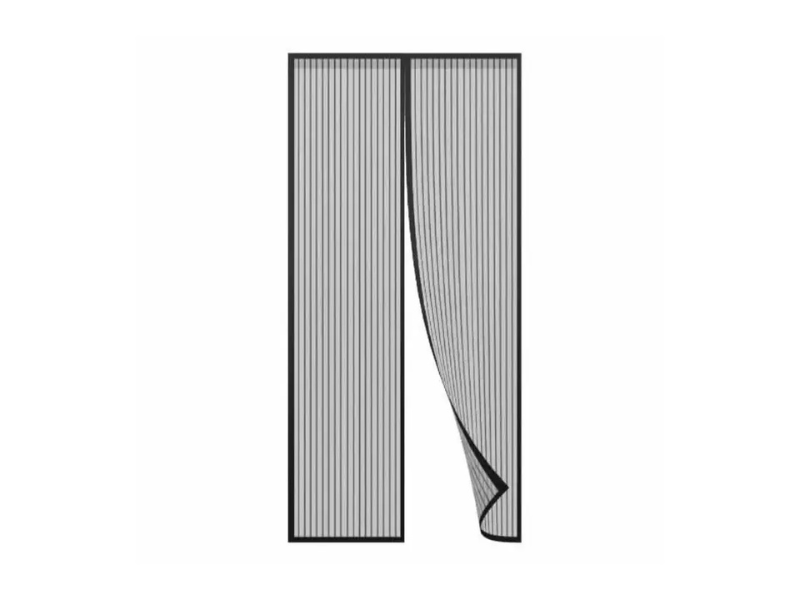
A screen that is bent and sagging is not just unsightly; it becomes practically useless and creates a host of other problems.
First and foremost, it compromises protection against pests. Mosquitoes, no-see-ums, and flies are experts at exploiting weaknesses. A loosely installed screen develops tiny ripples and gaps at the edges and corners, creating perfect entry points for insects. Even for products like magnetic curtains, if the fabric isn't held taut and flush against the frame, pests can find their way through. Proper tension ensures the mesh presents a uniform, unyielding barrier.
Secondly, it severely impacts the screen's durability and structural integrity. A sagging screen flaps and vibrates in the wind. This constant movement stresses the mesh fibers, seams, and fasteners, leading to premature wear, fraying, or tearing. For rigid frame screens, improper tension can cause the mesh to gradually pull out of its spline channel. A tightly installed screen absorbs force evenly across its surface, remaining stable and extending its functional life significantly.
Finally, it disrupts daily function and safety. A loose screen door or curtain rattles noisily with every breeze. It may fail to close or seal properly, swinging awkwardly or not latching. For retractable screens, incorrect spring tension can lead to unsafe, rapid retraction or a complete failure to close. A well-tensioned screen operates smoothly, quietly, and reliably.
The method for achieving perfect tension varies by product. Understanding these differences is key to a successful installation.
For traditional aluminum or fiberglass frame screens, tension is achieved through a meticulous process. It begins with ensuring the frame is perfectly square. Using a spline roller tool, the mesh is pressed into a groove around the frame, working from the center outward to eliminate wrinkles and create even, drum-tight tension. This professional approach results in a durable, permanent, and rigid barrier.
In contrast, magnetic screen door curtains employ a different approach. Made from flexible polyester mesh, they use Velcro strips, tension rods, or adhesive hooks for installation. Here, "tightening" means pulling the fabric smoothly and wrinkle-free across the doorway before securing the fasteners. The magnetic strips down the center must align cleanly to seal effectively. While easier to install, achieving full perimeter tension is crucial to prevent gaps at the top or sides. These are ideal for temporary or rental situations where a versatile, commercial-grade solution is needed, but the principle of a taut, gap-free fit remains essential.
Regardless of your screen type, following these guidelines will ensure correct tension.
Always start by reading the manufacturer's instructions. Each product has specific requirements, whether it's cleaning the door frame for adhesive or following precise spline-rolling steps.
Use the right tools. Attempting to press a spline with a screwdriver causes uneven tension and damage. An inexpensive spline roller set is essential for frame screens. For magnetic curtains, a tape measure and level are crucial for straight, even placement.
Inspect and test your work. After installation, run your hand over the surface; it should feel firm and smooth. Examine all edges and seals from both sides, using a light behind the screen to reveal hidden gaps. Operate the screen several times to ensure smooth, reliable function.
Taking those extra few minutes to ensure your door screen is properly tightened during installation is a minor effort with major returns. It transforms the screen from a flimsy, ineffective barrier into a reliable, high-performing part of your home or business. It's the difference between a product that lasts a single season and one that provides quiet, effective service for years.
Whether you choose the durable permanence of an aluminum screen or the flexible convenience of a magnetic curtain, success hinges on proper tension. By understanding and applying this straightforward principle, you secure more than just a screen—you secure lasting comfort, peace of mind, and a bug-free environment.

 EN
EN