 ×
×
Have you ever had a sunny day where you wanted to let the crisp breeze in but hesitated because of bugs or too much sun? You're definitely not alone in this. Choosing a window screen might seem simple, but it can quickly become a confusing task. Is fiberglass the best? What if you have pets or someone with allergies? The truth is, there are many options, and the best screen is the one designed specifically with your needs in mind.
This guide is here to help clear up the confusion. We'll walk through the important questions you need to answer, break down the variety of screens and materials available, and help you match them to your home's requirements. By the end, you'll be ready to make an informed choice that lets fresh air in while keeping the bad stuff out for a long time.
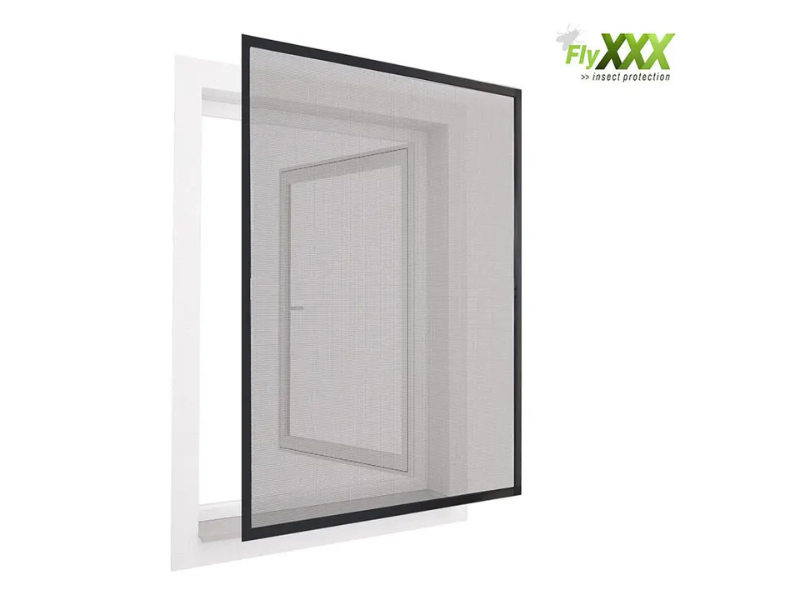
Before we dive into different types and materials, let's start with the basic purpose of a screen. At its best, a screen accomplishes a delicate balance. Its primary job is protection, but it also needs to allow light and air to pass through comfortably. Think of it as your window's personal bouncer, deciding what gets in and what stays out.
Finding that right balance is key. It affects everything from your daily comfort to your energy bills. For example, a screen that's too dense will block insects effectively but can also severely limit airflow on a hot day. On the other hand, a screen that's too flimsy will let the breeze in freely but might also allow tiny gnats and pollen to enter. Modern screens are engineered to handle specific challenges—be it solar heat, high pollen counts, or an energetic pet. The goal is to find a screen that successfully balances protection with the openness you desire.
Not all screens are the same. Your first decision involves the frame style and how the screen operates. Here are the most common types you'll encounter:
Fixed Screens: These are the classic, non-removable screens found in most homes. They are cost-effective and offer permanent protection. They're great for windows you open frequently. The only downside is that they can make cleaning the exterior glass from the inside a bit tricky.
Retractable or Roll-Up Screens: This is the sleek, space-saving option. They roll up into a discreet housing when not in use, offering an unobstructed view. They're perfect for patio doors or windows where you want maximum openness at times. They often come with a higher initial cost, and their moving parts require gentle handling to ensure longevity. Professional installation is highly recommended to guarantee smooth operation.
Sliding Screens: Typically used for sliding patio doors or large windows, these screens operate on a track. They are sturdy and provide excellent coverage for large openings. The main thing to consider here is the quality of the track and rollers; a smooth, durable system is crucial for ease of use.
The mesh material is where the real specialization happens. This is the fabric that does the actual filtering. The best choice for you depends heavily on your local environment and personal priorities.
Fiberglass Mesh: This is the most popular and economical choice for good reason. It's lightweight, provides good visibility and airflow, and resists rust and corrosion. It's an excellent all-purpose option for keeping out common insects. However, it is less resistant to punctures, so homes with pets need to be a bit careful.
Aluminum Mesh: If durability is your top priority, aluminum is a strong contender. It's more rigid than fiberglass and offers excellent resistance to tearing, making it suitable for commercial use or homes with pets. The trade-off is that it can dent more easily and may slightly reduce visibility and airflow compared to finer meshes.
Pet-Resistant and Security Meshes: These are the heavy-duty options. Made from coated, reinforced polyester or stainless steel, they are designed to withstand claws, kicks, and even attempted break-ins. They offer superior strength, but their thicker strands do reduce visibility and airflow more than standard meshes. They are a specialized solution for specific needs.
Pollen and Fine Dust Meshes: For allergy sufferers, these can be a game-changer. They have an ultra-fine weave designed to block not only insects but also tiny airborne particles like pollen and dust. They significantly improve indoor air quality, though they do restrict airflow more than standard insect screens.
Now comes the best part: using this information to improve your home. Ask yourself these questions:
What's bugging you? Is it just mosquitoes, or are tiny pests like "no-see-ums" also a problem? A standard fiberglass screen works for most insects, but if tiny bugs are an issue, a specialized "no-see-um" mesh is a better choice.
Do you have pets? An active dog or cat near a screen calls for extra durability. A pet-resistant screen made of tough, coated polyester can save you from constant repairs.
What about allergies? If pollen turns your spring into a sneeze-fest, investing in an allergy-specific mesh can offer tremendous relief.
Where is the screen going? A screen on a high-traffic patio door has different requirements than one on a seldom-opened upstairs window. For high-use areas, consider aluminum or reinforced frames.
What's your climate like? In coastal areas, corrosion-resistant materials like fiberglass or coated aluminum are best. In regions with intense sun, look for UV-resistant meshes that will last longer.
A perfect screen is only as good as its installation and upkeep. A poorly fitted screen will leave gaps for insects, defeating its purpose. For fixed screens, ensure the frame is square and securely fastened. For retractable systems, professional installation is highly recommended for smooth operation and proper alignment.
Once installed, a little care goes a long way. Regular cleaning with a soft brush, as many guides recommend, removes dust and grime that can clog the mesh and reduce airflow. Avoid abrasive tools and harsh chemicals. Over time, check the seals and the spline (the rubber cord holding the mesh in the frame) for wear. A simple resealing or spline replacement can extend your screen's life by many years.
Choosing the right window screen is an investment in your home's comfort, health, and energy efficiency. It's about understanding the tools available—from the reliable strength of aluminum frames to the specialized filtration of fine meshes—and matching them to your unique lifestyle. By taking the time to evaluate your needs, you can choose screens that work silently in the background, letting you enjoy fresh air and light without a second thought.

 EN
EN