 ×
×
Have you ever opened your screen door on a warm summer evening, only to hear an unwelcome buzzing or find a trail of tiny ants marching across your kitchen floor? You check the screen itself, and it looks perfectly intact. So, where are they getting in? More often than not, the culprit isn't the visible mesh—it's the failing seals around your screen door.
Those flexible strips of rubber or foam lining the edges of your door are your home's first line of defense. While sturdy mesh keeps out larger insects, the integrity of the perimeter seals is what blocks the tiny gaps that ants, mosquitoes, gnats, and even dust exploit. Regularly checking these seals is one of the simplest, most effective, yet most overlooked pest control measures you can take.
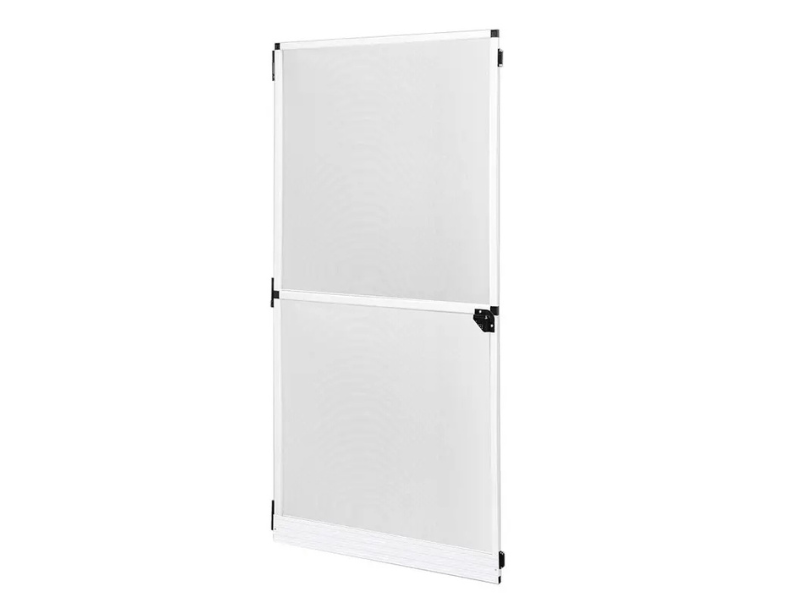
Think of your screen door system like a fishing net. The mesh catches the big fish, but without a tightly secured border, the small ones slip right through the edges. Your screen door seal is that critical border. Its primary jobs are threefold:
Creating a Physical Barrier: It fills the gap between the door and the frame, preventing insects from crawling through.
Ensuring a Smooth Closure: It allows the door to close fully and softly, maintaining consistent contact on all sides.
Blocking Light and Drafts: A proper seal will block thin lines of light from the outside, which also means it's stopping drafts and, of course, tiny pests.
When these seals become worn, cracked, compressed, or dirty, they fail. A gap as thin as a credit card is a highway for ants and an invitation for mosquitoes. This is why cleaning the mesh, while important, is only part of the solution. Ensuring the seals are in good working order is equally vital; otherwise, your efforts are incomplete.
You don't need to be a handyman to perform this check. A thorough inspection takes just a few minutes and can save you a lot of hassle. Here’s how to do it, ideally as part of your seasonal home maintenance.
First, perform the "Light Test." Wait until dusk or go into a dim room while the outside is well lit. Close your screen door and look carefully at all the edges—the sides, top, and especially the bottom sweep. Do you see any slender lines of daylight peeking through? Any visible light means a gap that an insect can and will use. This is the easiest way to spot alignment or compression issues.
Next, get hands on with the "Physical Check." Run your fingers along the length of the seal material. What does it feel like? It should be supple and spring back when you press it. Be on the lookout for these red flags:
Brittleness or Cracking: Plastic and rubber degrade over time with sun exposure (UV rays) and temperature swings. Cracks are direct entry points.
Permanent Compression: If the seal looks flattened and doesn't puff back up, it has lost its resilience and can't create a tight closure.
Tears or Splits: Physical damage from impact, aging, or pets will obviously compromise the seal.
Grime Buildup: A thick layer of dirt, grease, or pollen can prevent the seal from making full contact with the door frame.
Finally, test the "Door Action." Open and close the door. Does it close evenly and smoothly, or does it catch or scrape in certain spots? A door that doesn't close flush can indicate a warped frame, loose hinges, or a misaligned seal. Listen for a solid "thud" or soft "whoosh" of air, not a loose rattle.
Finding a problem during your inspection doesn't always mean you need a whole new door. Many issues have straightforward fixes.
For dirty seals, a simple cleaning can work wonders. Use a soft brush or cloth with a mild soapy water solution to wipe away grime, then rinse. This can restore the seal's tackiness and flexibility. For minor alignment issues, often caused by loose hinges, tightening the screws on the hinge plates with a screwdriver can usually pull the door back into its proper position.
The most common solution for worn out seals is replacement. The good news is that weatherstripping seals are widely available at hardware stores. The key is to identify your seal type. Taking a photo or bringing a sample with you to the store helps find a perfect match. Look for durable materials like EPDM rubber, which is known for excellent weather and UV resistance, ensuring a longer lasting solution. Replacing a seal is typically a simple DIY job involving pulling out the old strip and pressing the new one into the channel on the door frame.
However, for significant frame warping, a broken bottom sweep mechanism, or complex retractable door systems, consulting a professional might be the most reliable and time efficient route. Companies that specialize in screen systems understand that a seal is part of an integrated system. They often provide high quality, precise replacement parts or complete door solutions designed for optimal performance and longevity.
Don't wait for bugs to tell you there's a problem. Proactive checks are the key. Make it a habit to visually and physically inspect your screen door seals at least twice a year—ideally in the spring before bug season peaks, and again in early fall. If you live in an area with harsh winters or intense sun, consider checking them quarterly, as extreme weather accelerates wear.
This simple, five minute ritual addresses the root cause of how insects enter your home. It's more impactful than any spray or quick fix. By ensuring the integrity of your seals, you’re not just keeping out pests; you’re also improving your home's energy efficiency by blocking drafts, reducing dust and pollen ingress, and ensuring the quiet, smooth operation of your door. It’s a small task that protects your peace and comfort. Start your inspection today—your future, bug free self will thank you.

 EN
EN