 ×
×
Let's explore an inspiring example of how to save yourself some future frustration beyond the temporary benefit of it being a pain to install the door.Consider an example of a virtually universal model of a sliding screen door. Imagine it gets stuck before fully opening or closing, it scrapes the door frame like nails on a chalkboard, and it makes a regrettable grinding noise. All of these frustrations and annoyances can be attributed to a correctly or poorly constructed door. When constructed and installed correctly from the get go, properly designed screen sliding doors glide almost endlessly and effortlessly. When installed poorly, you can count on door fights as a new everyday.
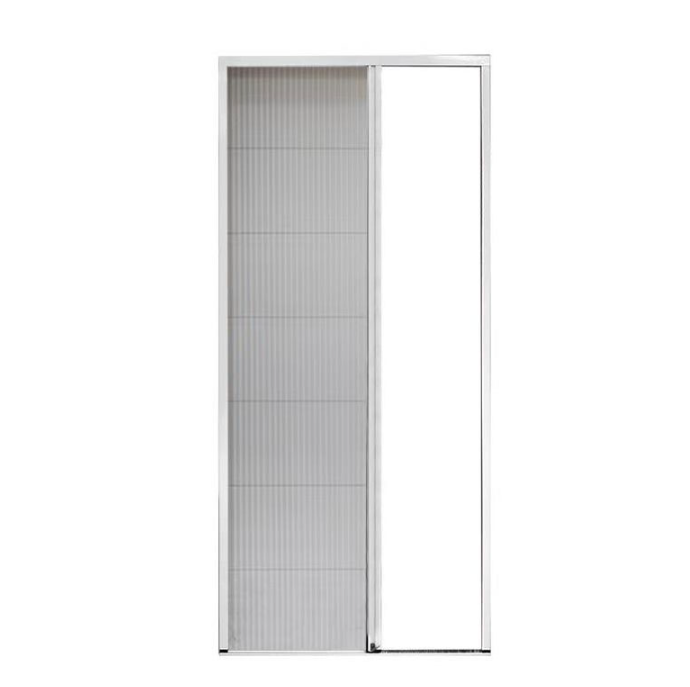
The first and most important part of the process is to measure your doors and the openings where the doors will be installed. The absolute worst is being done with an install and finding out the door is the wrong size. When measuring the height of your door frame start from the left side, in the center, and the right side. For the width measure from the top, center, and bottom. Record and keep the measurement of the smallest width and height. You will use these numbers to purchase your sliding screen door, so be sure to double check everything.
In addition to your usual installation tools, being well prepared includes having your tools within arm's reach to avoid interruptions. Bring your tools and cleaning supplies to the installation site. A soft cloth or brush, and even a vacuum with a brush attachment can help catch debris on the tracks where the new door will be installed, so that this new door does not get soiled as it gets placed in the tracks. A new door will not slide well on a dirty installation track.
It is understandable to be so excited to install a new door that you do not consider the quality of the installation site. Examine the top and bottom tracks closely to see if they are dusty, grimy, leaf filled, or dirty. A dirty installation track will result in poor movement and a poor slide of the newly installed door. A vacuum or a stiff brush to clear the installation track of debris will be helpful. A cloth with warm soapy water is recommended. Cleaning the track and all its debris is essential and, of course, be sure to dry the installation track thoroughly before you install the new door.
The rollers are the small wheels on the bottom of the door that do the actual sliding. If you are working with a brand new door, the rollers should be fine. Otherwise, be sure to check them. Spin each roller with your finger. Does it spin? If it does not, it may be worth your time to replace or clean them before you put the door in. No amount of adjustments will make a sliding screen door with poor rollers slide the way it should.
This is where I see most people getting it wrong. To install a sliding screen door, the first step is to put in the top roller first. Drag the door up at an angle and slide it back in the top edge of the upper track. Before you do anything else, make sure the top rollers are seated. Then, you should be able to gently swing the bottom edge of the door towards the door frame. You will likely need your putty knife or a flat head to pull the bottom wheels over the edge of the bottom track. This is the tricky part, so be patient. If you try to force it, you might end up breaking the wheels or scratching the frame.
Once your door is tracked, try sliding it a few times. Slide it back and forth. Check to see if any obstructions are catching it. Is it smooth and quiet? Or is it stiff and noisy? Do not ignore stiffness and noises. It means the door is not sliding properly. The ideal sliding screen door should slide effortlessly. If you have to push it hard to slide, there is work to be done.
Most people do not know this adjustment is the magic trick. Most sliding screen doors have adjustment screws for the bottom corner rollers. With these screws, you can make simple height adjustments to your door. A clockwise turn raises the door. A counterclockwise turn lowers the door. If your door is too high, it will scrape the top track. If it is too low, it will drag along the bottom track, thus making the door drag. A door that is not sliding smoothly will be a door that is not set to the right height.
Start by making small adjustments. Turn the screw on one side a quarter turn and test the door again. Repeat this until the door adjusts evenly from side to side without scraping or sticking. Ideally, you want the door as level as possible within the door frame. A carpenter's level can help with this, but you can honestly tell when a door is level just by the way it slides. Once the screen door is adjusted properly, it should slide with a light push. We recommend taking your time on this step. Rushing can bring about poor adjustments that cause the door to never function properly.
A sliding screen door has two functions as it allows air to sweep through and keeps your flows bug free. If the screen is torn or sagging it has actually lost one of its functions. You will want to inspect the screen before you call your job done. When you run your hand along the screen, does it feel taut and smooth? Does it sag and have a low place? Because it can also be caught by the frame as the door slides creating friction and making it harder to move.
Small tears can be repaired with a screen repair kit from any hardware store. Just clean the area, apply the patch, and stick it down. A bigger repair may require a complete screen replacement, which is more work but more worth it. A sliding screen door with a quality mesh screen will perform better and last longer because the screen is less likely to be caught on things.
You are nearing completion. Let us see the results of your efforts. We recommend you slide the door back and forth ten times. Pay attention to any unnatural sounds and any rough motions. If there are no issues, then you did a great job.
Then to ensure a smooth operation you can put a very small amount of silicone based lubricant on the track and the rollers. As a side note, please do not use WD-40 for this. What most people do not know is that WD-40 is not a lubricant. It works for a few days, but then really dries out and actually draws in more dirt and dust than before. Silicone spray is a better option to use because it stays slippery, without the risk of becoming gummy. Just a quick spray on the track is all you need. Then to avoid collecting dirt and dust, wipe away the excess with a cloth.
Do not just have your sliding screen door installed, and then forget about everything you just did. A couple of minutes once a few months will keep it sliding for a very long time. Set a reminder on your phone to vacuum the track to remove any dirt or leaves that have been collected. The door frame is likely going to collect dust as well, and can be cleaned by a little wipe with a damp cloth. Then be on the lookout for the adjustment screws because they may need tightening after the door is installed, and once the door is sliding make sure it has not become stiff with use. A track which is free of dirt may need a spray of silicone lubricant to ensure the door slides easily.
The construction of a sliding screen door provides longevity. Its aluminum frame resists rust and the fiberglass mesh withstands daily use. However, your screen door will function optimally with regular maintenance. This includes proper initial installation, cleaning the track, and making adjustments to the rollers as necessary. As a result, your screen door will continue to function seamlessly for a long time.

 EN
EN