 ×
×
This could mean you have to yank the screen. There are even cases where the door gets just stuck at halfway and you have to pull it just like you are wrestling it. This could lead to you wishing that door never existed. Out of all the issues you want screen doors to have, this is one you are most likely inevitable to see. The good news is most of the issues like the one mentioned above are usually really easy to repair and you won't have to call a repairman and spend an arm and a leg. I want to show you some of the ways I could help you get that door to sliding like it should.
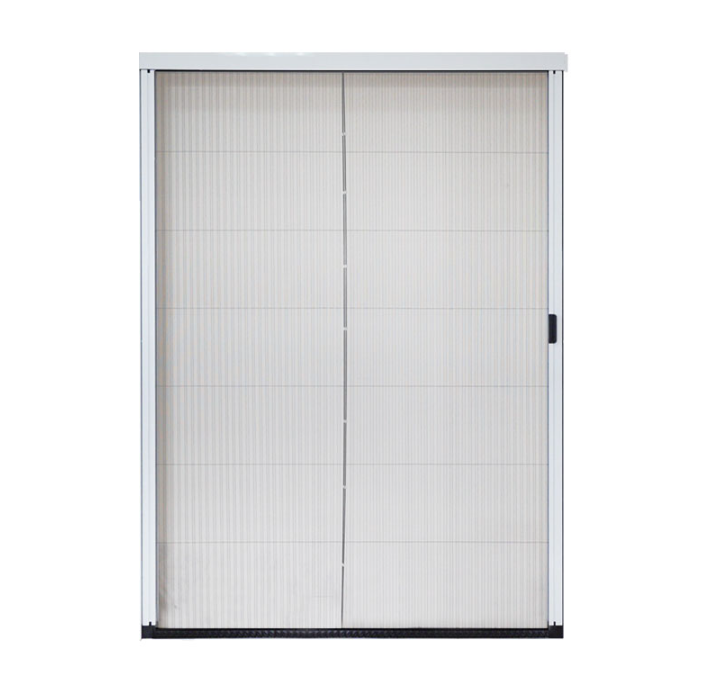
If you want to ask someone the most common culprit for sticking sliding screen doors, it would have to be the accumulation of debris and dirt. If you are to open the door and to where it opens, you would notice some dirt in the door's tracks. There are a lot of materials in that gunk, like leaves blown in from outside, pet hair, and even tracked dirt. After a while, it all creates a gunky brunt that builds up and the door rollers are forced to push through and is going to get stuck.
The bottom track is the worst because everything is pulled by gravity, but that doesn't mean the top track is safe. It gets dust just as much as the bottom one. It is just that the dust up there is cobwebs and some fine dust that have been there for a considerable amount of time especially if the sliding screen door is not used frequently.
What are your options? Go grab your vacuum and the brush head or crevice tool. Follow the entire bottom track of the door and vacuum up all the loose debris. For debris that are more stubborn and stuck on, use an old toothbrush or a stiff brush to break the suction and vacuum again. After the big stuff, use a wet cloth to wipe the track to pick up the dust and grime. If you have removed the door, let it dry before replacing the door. Most problems that cause sticking problems are routinely cleaned in this manner. You will be surprised to see how much a clean track helps.
The rollers are often the reason of sticky problems. They are little wheels that are located at the bottom of your sliding screen door, they allow the door to slide. Those wheels spin every time you open or close the door. They are prone to wearing down. The use of plastic and metal can develop flat spots, gaps and dirt caking and cause the wheels to lose their ability to spin.
You may ask yourself if the rollers are the culprit. Consider this: you have completed an extensive clean of the track and you have done nothing to resolve the problem. If the door slides, scraping, or gripping sounds may indicate problems with the rollers. If the door is bumpy in the slides, the rollers may be the problem.
Start by removing the door from the track. It may be helpful to ask someone to assist you. The door has to be vertical and at the top of the slide. You may slide the door from you. The door may need to be flipped to gain access to the rollers and be examined. Each roller may be examined by flicking the roller with your finger. If the roller is not smooth then the roller is in need of replacement. Hardware stores can be convenient for this. Although, take the roller with you and ask an employee to assist you in choosing the roller. It may be vexing on your first try to install the replacement, but replacement is achievable. It is best to think of it like this. You are also guaranteed that your door will be left like brand new.
The cause of the problem is not necessarily dirt or other parts being worn. In fact, the door may have simply shifted positions, which can happen due to someone bumping into the door rather rudely, or a child who hangs onto it, or even simply due to regular use over many years. While in a track, the door may not be properly level, causing one side to drag while the other side slides easily.
Adjustment screws are located at the bottom corners of most sliding screen doors. The screws may alter the height of the door rollers. When adjusting screws, be aware that turning screws clockwise raises the door, while turning counterclockwise lowers the door. When adjusting screws, the goal is to ensure that the door is level and in even contact with the track on both ends.
To calibrate the door alignment, begin with the adjustment screws first. Use a flathead screwdriver to remove the screws that may be hiding behind protective plastic covers. Make adjustments that are small, for example, a quarter of a turn. After adjustments, test to see how the door slides. Keep making adjustments to ensure the door slides without dragging. A level door is a door without ice, that being said, use a bubble level if you have one. When a door is properly aligned, it requires little effort to operate.
This is not as common as a problem, but it does happen. The sliding screen door has a metal track that can be bent. It could have gotten stepped on. It could have something heavy that fell onto the door. The sliding door track could have been installed improperly as well. Bending the track will cause your screen door not to slide at all.
Check your door track. Look at the top and bottom track. You may have to run your finger on the edges to check for grooves, bumps, or bends. If it is bent, it can be fixed. The bottom track can be fixed using a pair of cloth wrapped pliers, but be gentle and bend it back into place. The cloth will prevent the track from a scratch. Bends on the top track are a bit more complicated. You will need a rubber mallet and a piece of wood to tap it to its place, and of course be gentle as well. There could be bends that are too huge and the track could be broken, and for that we may need to call a professional as that may be to replace the full track system.
It is even possible that a well adjusted sliding screen door is just stiff. Over time, metal parts of the screen door rub against each other, and that friction is not mitigated through lubrication. So eventually, the screen door will begin to stick.
Avoid putting WD-40 on the tracks of sliding screen doors. Most people think of WD-40 as a lubricant. That is not the case in this instance. WD-40 is not as useful as a lubricant as people think. Once it leaves a track after it dries, it leaves a sticky residue which collects dust. This sticky residue causes the sliding motion to become more restricted. This problem will accumulate the more you use WD-40 to try to fix the problem.
The best lubricant in this case is a silicone based lubricant. A silicone based lubricant will remain uncontaminated by dust, and will not leave a residue that disrupts the sliding motion as it is no longer sticky. To apply the lubricant to the bottom track of the sliding screen door, a quick spray should do the trick. To work the lubricant into the rollers, open and close the door a few times. Use a cloth to wipe away any excess lubricant that is leftover, so it does not get dust. This should only need to be done a few times a year to keep a screen door in good condition.
Sometimes the problem is neither the tracks nor the rollers. It is possible that the frame of the sliding screen door has warped. Aluminum frames can bend if they are hit with enough force. A screen door with a warped frame is no longer square. That is why it binds in the tracks. If you think the frame might be warped, you can take the door off and lay it flat. Check the four corners to see if they are all sitting flat. If one of the corners is elevated, the frame is warped. Minor warps can be corrected by bending it back. Extreme cases might call for a whole door replacement.
You should also inspect the screen mesh itself. If the mesh is loose, has big rips, or has any other kind of damage, it can bulge out and hang up in the track while the door is sliding. Repairing a loose screen is simple because it just needs to be reattached with some new spline. A torn screen can be repaired with a repair kit, or it can be replaced fully.
As a DIY enthusiast, I genuinely believe that most issues regarding sliding screen doors can be fixed with common tools, a level head, and good guides. However, there are a few situations where hiring a professional is a good decision. If the door frame and or track is bent or damaged, or if your door continues to stick after exhausting all my tips, it is time to give up the good fight. Professionals can identify and solve your problem, all without the aggravation. Sometimes spending a little money is worth saving a lot of frustration.
Even though a sliding screen door that sticks is probably one of the most annoying things ever, it is still fixable. Start with the most fundamental problems first. Has the track been cleaned? How are the rollers? Has the door height been properly adjusted? Is the slide mechanism lubricated with the correct lube? If your answer to most of those questions is no, then you are one of the lucky 90%.

 EN
EN