 ×
×
Plenty of folks love to ventilate their homes and enjoy their surroundings with the warmth of a summer evening. But several uninvited guests seem to always crash the party: flies and mosquitoes. Screen doors help block the pests and will allow the air to flow through your home. But, there are some serious bugs to the traditional screen door. It is important to understand that not just any screen door installation will avoid and block the pests. Success hinges on a screen door installation that is structururally sound all the way around to create an airtight seal. Mosquito screen doors are not the end to end solution. But, with proper installation, a screen door can let air into your home while keeping the bugs out. Here's how to achieve proper installation for an airtight seal.
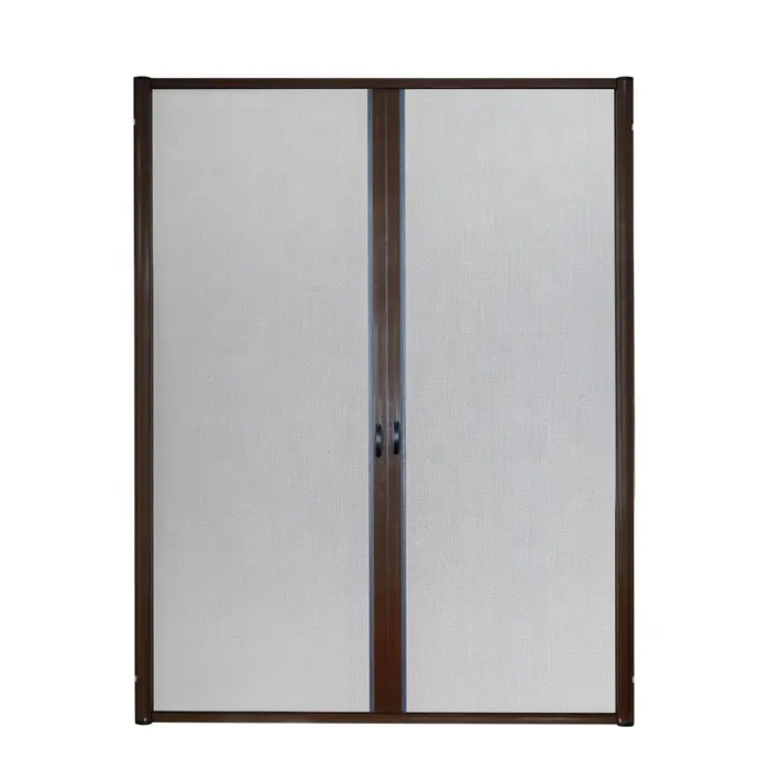
Think about the role of a mosquito. They're small, single-minded, and can exploit any vulnerability. Door screens can easily create gaps. But, the sealing of the screen door converts an entry point into a no entry point. A mosquito seal acts like a barrier. It also works for a number of other things. Seals contain dust and pollen and improve energy retention inside your house by preventing outside air from entering your house. A poor seal allows more than just bugs in. Energy efficiency is also lost. The seal finishes the jobs of screens. It is the most important part.
Screen doors are not created the same. That is why, before getting the tools out for installation, you should choose a model that has sealing capabilities. You should choose one that has weather stripping, or one that has a brush seal. Weather stripping is a sealing model that helps to keep the inside of the building warmer, while brush seals are strips of brushes that help to seal gaps. Aluminum models are great because they will not bend or warp. Gaps will form over time, but because the frame is durable, you will not have to worry about it with the Techo company models. Those models are designed to provide a durable, lasting seal.
You might have heard the phrase "measure twice, cut once". This applies to screen doors as well, so make sure you take accurate measurements before you buy. Most importantly, you need to get the correct height and width of your door opening. Old houses have frames that are not square, so do not assume it is perfectly square when measuring. Make sure to measure at the top, the middle, and the bottom. When ordering your door, use the smallest measurement so you know it will fit. A door that is too big will not fit at all, and too small will leave gaps that you won't be able to fix. Take your time with measuring. This is the most important step before you install your screen door.
Before you put on a new door frame, you need to check the condition of the door jamb. Is there dirt, dust, peeling paint, or old caulk? You need to clear as much as possible because you want the new frame flush against the surface. Debris or bumps on the surface will cause the door frame to be pushed, resulting in gaps. Obviously, clean wood will look better than dirty wood; however, if the wood is rotten or damaged you will need to repair it first. A solid frame needs to attach to a solid surface.
Here, your patience will have an added reward. When setting your frame into the opening, be sure it is set perfectly level and plumb. Take your spirit level on the head jamb (top) and both side jambs. If it is even a little out of level, the door won't seal correctly. A shim is in order. Shims are thin, wood or plastic, wedges. Shim behind the hinge side first and plumb it perfectly. Then do the same for the latch side. When everything is square, you may begin to screw the frame in. Be careful not to over tighten the screws, as this will pull the frame out of shape.
A lot of screen doors these days have adjustable features and this can really help you out. For example, some of the hinges have a little room to adjust them, and some strike plates can be moved up or down. Make these adjustments after installing the frame. Aim for the door panel to sit snug within the frame, and have even gaps all around. Also, the door should close so that it makes contact with the frame all the way around. These adjustments can help a lot.
Brush seals and other products do a great job, even on doors that are particularly well fitted. A brush seal is a strip of soft, dense bristles that attach to the panel edge or frame edge. When the door is closed, the brushes fill the gaps and make a seal. They're really useful for the bottom of the door since that is a common problem area for gaps. Some door kits come with these included, but you can buy them separately.
They can increase the seal significantly while having its ease of use and low cost.
The most difficult location to seal on the door is the bottom. In order for the door to open, it needs to clear the floor, but this same gap is an open highway for bugs. A good door threshold solves this. It is a ramp-like strip that sits on the floor under the door. The bottom of the screen door often has a rubber or vinyl strip that presses down against this threshold when closed. Ensure that your threshold is intact and that the drop strip on the door is aligned, firm, and consistent. This is your ground-level defense.
Once you finish all the adjustments and installation steps, it's time to test the gaps in the door. Although the human eye is good, it is no match for the eye of a mosquito. One method is to close the door and go inside on a sunny day. Then, look around the door for gaps where light is coming through. If you can see light, then so can a mosquito. Mark those areas and see if you can tighten the adjustment or add some more sealing material. Another method is to slowly run your hand around the inside edge of the door. If you can feel a draft, so can a bug.
The satisfaction you feel from getting a door seal job done is satisfying. Every time you use the door you get to enjoy the fresh air without the annoyance of bugs coming inside. You can feel assured that your home is now a more pleasant place and that your energy costs could go down. Your screen door is no longer just a door, it is integrated into the home as a part of the home. The evening can come, crickets can start to sing, and you can enjoy a buzz without the annoyance of a bug buzzing in your ear. That is truly the win.

 EN
EN